
Traditional Jewelry Making Techniques
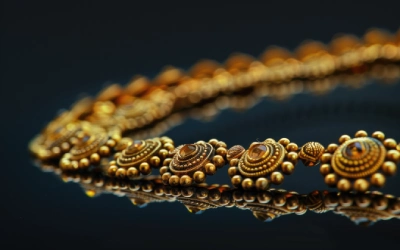
Traditional jewelry making techniques that have been passed down through generations and still remain popular today. One traditional jewelry making technique is called filigree, which involves twisting and soldering thin wires together to create intricate designs. This technique has been used for centuries in cultures around the world, including in India, Indonesia, and Greece. Another traditional technique is cloisonné, which involves filling compartments created by wires or metal strips with colored enamel to create vibrant designs. The most intricate traditional jewelry making techniques is granulation, which involves fusing tiny metal balls onto a metal surface to create patterns or designs.
- Soldering: Soldering is a technique where pieces of metal are joined together using a soldering iron and solder.
- Casting: Casting is a technique where molten metal is poured into a mold to create a specific shape or design.
- Engraving: Engraving is a technique where designs or patterns are carved into the surface of metal using a sharp tool.
- Filigree: Filigree is a technique where thin metal wires are twisted and soldered together to create intricate designs and patterns.
- Stone setting: Stone setting is a technique where gemstones are securely placed into metal settings to create a piece of jewelry.
Traditional jewelry making techniques require a high level of skill and precision to create beautiful and intricate pieces of jewelry. These techniques have been used for centuries and continue to be valued for their craftsmanship and artistry.